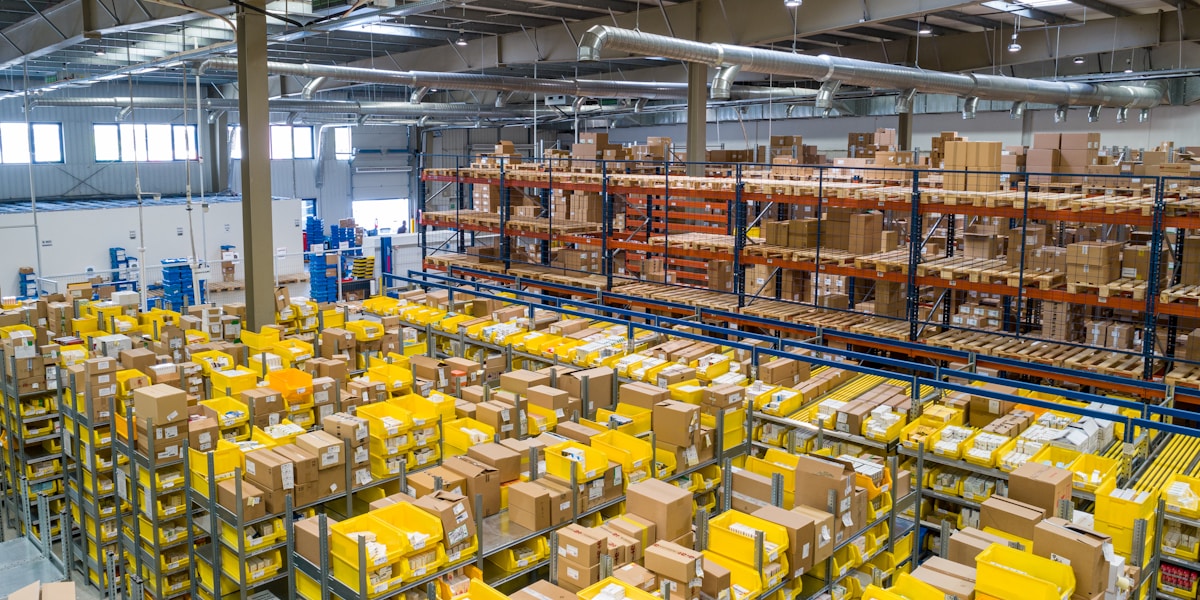
Greggs to Cut 740 Jobs as Automation Replaces Workers in Four Factories
Greggs has announced plans to cut 740 jobs and close four factories as it replaces human workers with automated machinery over the next two and a half years.
Curated summaries and analysis from Robot Layoffs
Greggs has announced plans to cut 740 jobs and close four factories as it replaces human workers with automated machinery over the next two and a half years.
Uber is cutting 3,300 jobs, about 10% of its workforce, as part of a restructuring to streamline operations and invest in autonomous vehicle initiatives.

MM Forgings plans to deploy 100–150 robots across its facilities to address manpower shortages and rising labour costs, with each robot capable of replacing roughly 3 per cent of workers, according to its CMD.
Schaeffler has introduced humanoid robots to perform manual tasks at its Cheraw, South Carolina auto parts plant, with proponents saying the robots will displace rather than replace human workers.

Amazon laid off more than 100 employees from its robotics division in March 2026, directly tied to the cancellation of the Blue Jay ceiling-mounted robotic system.
First quarter 2025 saw massive logistics and manufacturing automation with FedEx cutting 15,000 and Panasonic cutting 10,000 in AI-enabled manufacturing.
As Q1 2025 nears its close, the robot workforce is expanding at a pace that's rewriting employment projections across industries. From Nvidia-powered factory robots to the first commercial humanoid deployments, this is where we stand.
January 2025 opened with a flurry of automation announcements as companies executed on AI-and-robotics strategies developed throughout 2024. From humanoid robots in fulfillment centers to AI-driven restructurings at major corporations.
From Amazon's 750K robots to FedEx's automated sorting — tracking how physical automation and robotics are reshaping the labor market.
The second half of 2024 marked a turning point as AI agents and intelligent automation moved beyond blue-collar floors and into corporate offices, reshaping white-collar employment at scale.
The first half of 2024 brought a wave of automation deployments in manufacturing and logistics that reshaped the workforce landscape. From humanoid robots entering factories to autonomous trucking going commercial, here's the full picture.
A comprehensive look at how robotic process automation reshaped the global workforce in 2023 — from Amazon's warehouse revolution to the quiet elimination of back-office roles at major banks and insurers.